
What It Actually Takes to Run Computer Vision in Production
August 2, 2026 · PanaceaLogics Team
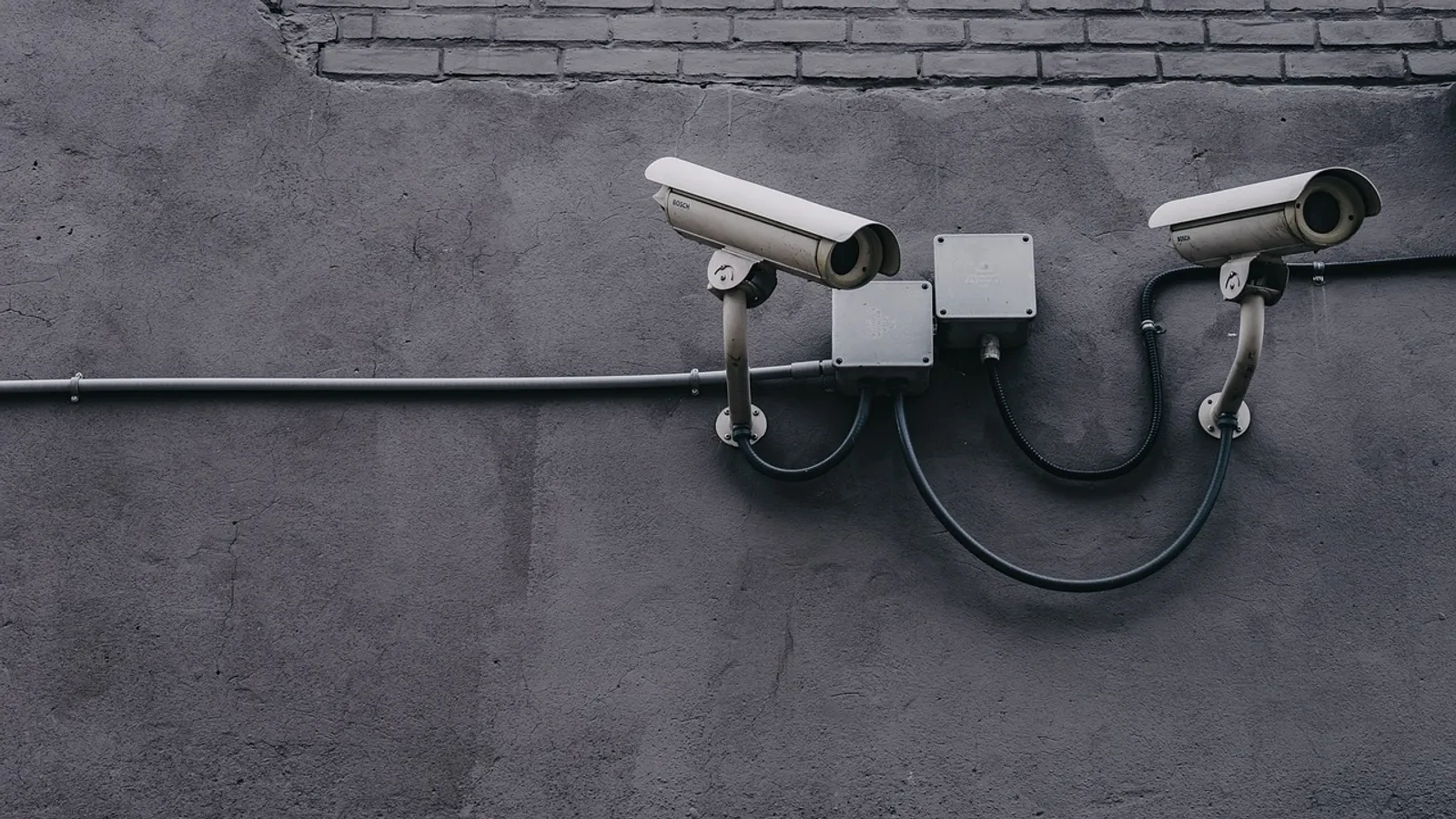
A computer vision demo is easy now. Point a pretrained model at clean images, get impressive accuracy, show it to stakeholders. The demo is not the hard part and has not been for years.
The hard part is the system still working on a wet Tuesday in February when the light has changed, someone has moved the camera, and the thing you are detecting looks nothing like your training data.
We learned this on fish farms. We built computer vision for biomass estimation and disease detection running on live aquaculture sites, and won the Aquacon Invest Championship in Dubai for it. We also run AutoSense and PlateSense for vehicle image analysis and plate recognition. Here is what production actually demands.
The demo-to-production gap
In a demo you control the images. In production the environment controls them, and it is not on your side.
Lighting is the single biggest cause of failure. A model trained on midday footage degrades at dusk, under sodium lamps, in glare off wet surfaces. This is not a model problem and no amount of retraining fully solves it. It is fixed at the camera: fixed lighting, correct exposure settings, sometimes infrared.
Camera placement decides your accuracy ceiling before any code is written. Angle, distance, stability and what sits in the background matter more than the architecture you choose. We survey sites before quoting, because a badly placed camera cannot be rescued in software, and promising accuracy without seeing the site is how vendors end up in disputes.
The real world provides inputs your dataset never did. Occlusion, motion blur, dirt on the lens, a species or model or object variant nobody mentioned. Your training set is a sample of the past. Production is the future.
What you have to build besides the model
The model is a small fraction of the work. The rest is unglamorous and it is what makes the difference.
A data pipeline that captures the failures. You need production images flowing back, particularly the ones the model got wrong or was unsure about. Systems without this cannot improve, and they will need to.
A labelling loop. Someone has to review and correct. Budget for this as an ongoing operational cost, not a one-off project task.
Confidence handling. Every prediction has a confidence, and your system needs a rule for the middle band: below one threshold reject, above another accept, between them escalate to a human. Systems that treat every prediction as fact fail loudly and lose trust permanently.
Drift monitoring. Accuracy decays. Seasons change, equipment ages, processes change. You want to see the decline in a dashboard rather than in a complaint.
A graceful degradation path. When inference fails or the camera goes down, the business process must continue. Manual entry, a queue, an alert. The worst production system is one that stops the operation when it stops working.
Edge or cloud
This decision is usually made on the wrong grounds. The right ones:
| Choose the edge when | Choose the cloud when |
|---|---|
| Connectivity is unreliable | Sites have solid networking |
| Latency must be under a second | Batch or near-real-time is fine |
| Video volume makes upload costly | Volume is modest |
| Imagery cannot leave the site | Central retraining matters most |
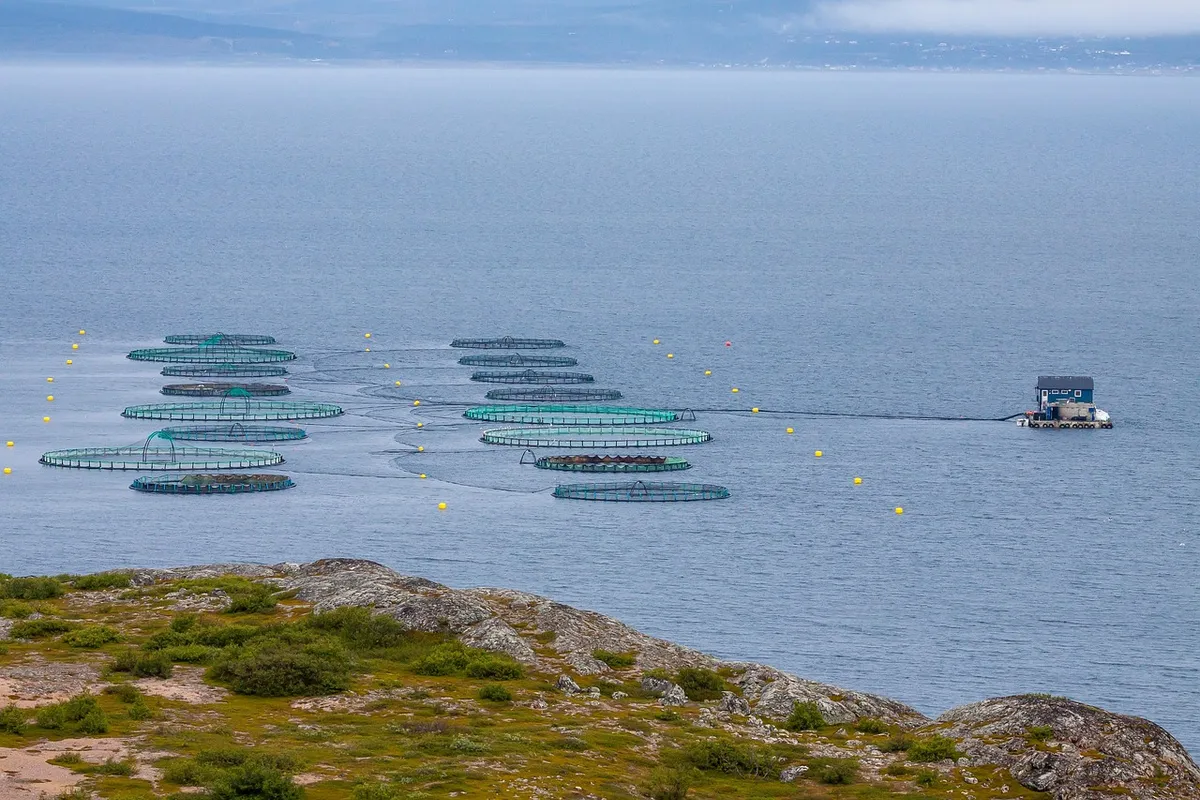
Fish farms and workshops usually mean the edge: limited connectivity, continuous video, real-time decisions. The trade is operational, because you now maintain hardware in a hostile physical environment, and updating a model across twenty sites is a deployment problem rather than a redeploy.
A hybrid is common and sensible: inference at the edge, sampled imagery and metrics to the cloud for monitoring and retraining.
What we tell clients before starting
Define the accuracy that makes it useful, in business terms. Not “95% accurate” but “if it flags disease two days earlier across a season, it pays for itself”. That number decides whether the project is worth doing and when it is finished.
Expect to iterate for months, not weeks. First deployment is where learning starts. Anyone promising a finished vision system in a single sprint has not run one.
Budget for the operational side. Cameras, mounts, lighting, network, a person reviewing edge cases. The model is often the cheapest line item.
Start where being wrong is survivable. Assisting a human beats replacing one, until the evidence is in.
Why this matters beyond vision
The same discipline is what separates AI agent projects that reach production from the large majority that do not. Grounding in real data, confidence thresholds, human escalation, drift monitoring, graceful failure. The domain changes and the engineering does not.
That is the honest reason we point enterprise clients at our aquaculture work when they ask about AI agents. Not because they farm fish, but because a system that survived cameras on live fish farms is evidence that we build for the conditions rather than for the demo.
We build production computer vision and enterprise AI systems. See our AI agents and copilots service and the aquaculture AI case study, or get in touch.