
Where Vision AI Is Actually Landing
August 21, 2026 · PanaceaLogics Team
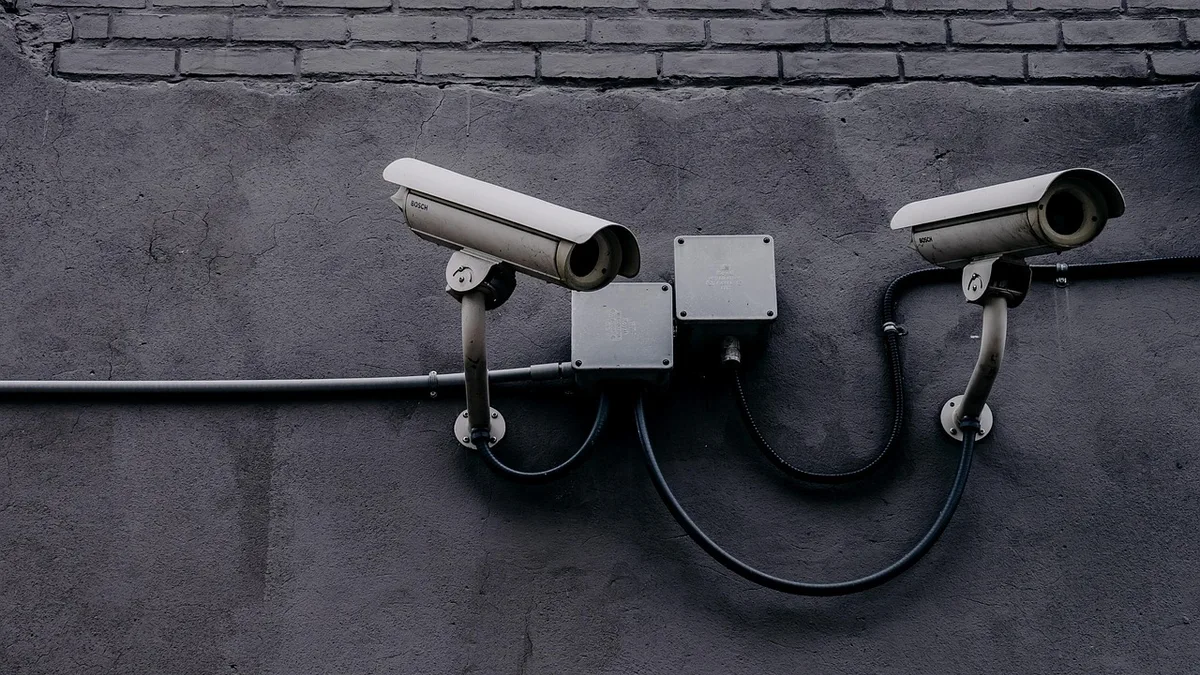
For a long time computer vision arrived as a pilot. Someone mounted a camera, produced a promising accuracy figure, and the project quietly stopped there.
That has changed, and not because the research suddenly got better. Three practical things shifted at roughly the same time, and together they moved vision out of the lab and into ordinary operations.
What actually changed
You no longer start from zero. Pretrained backbones and vision-language models mean a project begins with something that already understands objects, text and scenes. The work becomes adaptation rather than invention, which turns a research timeline into a delivery timeline.
Labelling stopped being the whole budget. Self-supervised pretraining, synthetic data and augmentation reduced the number of hand-labelled examples needed to get somewhere useful. That was the line item that killed most proposals.
The hardware got boring, in a good way. Quantised models run on inexpensive devices at the edge. No round trip to a data centre, no bandwidth bill for continuous video, and nothing breaks when the connection drops.
None of that made vision magic. It made it affordable, which is a different and more useful thing.
Where it is earning its keep
The pattern is consistent: vision wins where someone is currently looking at something repeatedly, and where being slightly wrong occasionally is survivable.
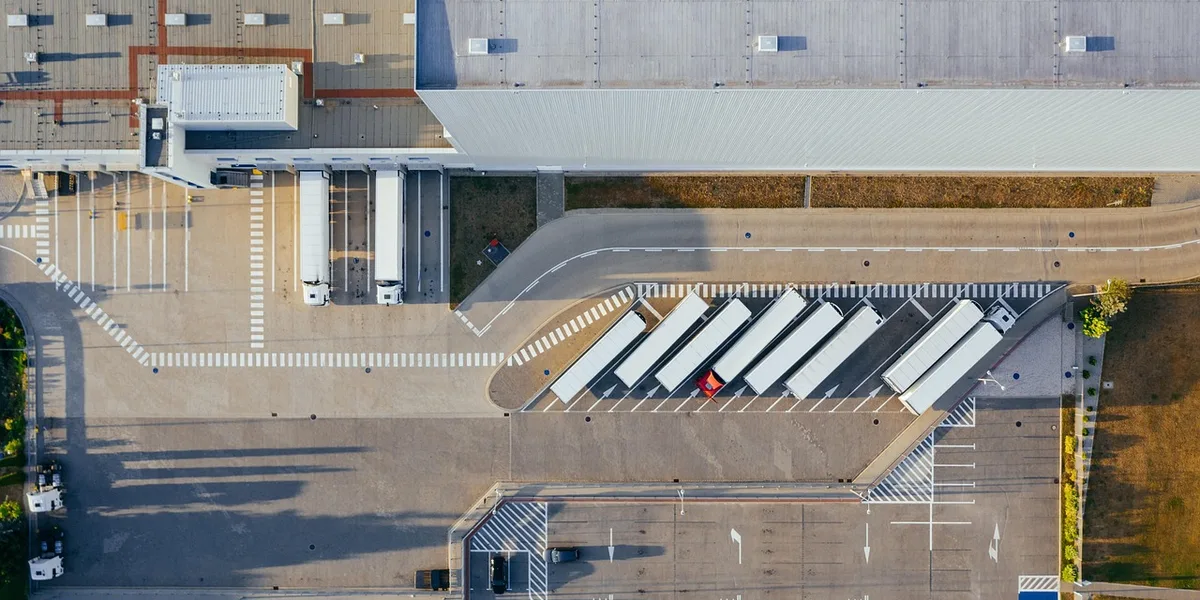
Counting and measuring. Stock on a shelf, items on a line, vehicles in a yard, biomass in a tank. Tedious, constant, and the sort of number nobody has time to collect by hand every hour.
Condition and defect checks. Surface flaws, missing components, corrosion, packaging errors. Not replacing an inspector, but giving them a filtered queue rather than a full one.
Reading the physical world. Plates, labels, serial numbers, handwritten dockets, meter readings. Modern models handle poor angles and worse lighting far better than the OCR of a few years ago.
Safety and compliance. Protective equipment, restricted zones, headcount during an evacuation. Usually the easiest business case to make, because the cost of the alternative is already known.
Presence and flow. How long a queue is, whether a bay is occupied, which route people take. Operational data that previously required either a person with a clipboard or nothing at all.
What has not changed
The awkward part, and it is worth being blunt: the model is still the easy bit.
A demo runs on clean footage from one angle. Production has glare, rain on the lens, motion, occlusion and a camera somebody nudged in March. Accuracy measured on a curated test set tells you very little about a wet Tuesday.
Everything around the model is where projects still fail: capture and storage, monitoring for drift, a path for reviewing failures, and a decision about what happens when confidence is low. We wrote about that in more detail in what it actually takes to run computer vision in production.
How to tell whether yours is worth doing
Four questions, in this order. They will save you a pilot.
- Is somebody already looking at this? If no human currently performs the check, you are inventing a process and a model at the same time. Do one at a time.
- What does a wrong answer cost? Miscounting stock is a nuisance. Missing a safety breach is not. That answer decides how much review you build, and therefore most of the budget.
- Can you get real footage from the real place? Not a staged capture on a good day. If you cannot, the project has a data problem, not a model problem.
- Where does the answer go? A number that lands in a dashboard nobody opens has changed nothing. It needs to reach a system, a queue or a person who acts on it.
If those four have solid answers, vision is usually a good investment now in a way it was not five years ago. If they do not, no amount of model quality will rescue it.
The short version
Vision AI is not arriving with a bang. It is turning up quietly in counting, checking, reading and watching, in places where someone used to squint at a screen. The technology is ready. What decides success is still the unglamorous part: real conditions, real data, and somewhere for the answer to go.
We build computer vision that runs in real conditions, from capture through to the system that uses the result. See our AI agents and copilots service, or get in touch.