
No cost
Technical call first
You talk to the engineers who would be on the work, not an account manager. Bring the architecture, the backlog or the problem, and you will get a straight read on it.
Microsoft certified · .NET
Pick the level you need: a mid-level developer, a senior engineer, a delivery lead or an architect. All Microsoft-certified, all working on current .NET and Azure.
Start with a free technical call. You get a written plan afterwards, yours to keep, and then a working build every two weeks.
How we start
No cost
You talk to the engineers who would be on the work, not an account manager. Bring the architecture, the backlog or the problem, and you will get a straight read on it.
Yours to keep
Scope, the shape of the team, staging and a cost range in writing. It is specific enough to take to another firm, and you keep it whichever way you go.
Every 2 weeks
A running build every fortnight rather than a status report, with a natural stopping point at each boundary. No long commitment before you see output.
Certification
A certification shows an engineer knows how Microsoft handles identity, deployment, security and cost, so they build to the platform's standards instead of inventing their own. What it does not show is whether someone can design a system that lasts. That is what the work in our portfolio is for. Before you commit to anything, we will tell you exactly who is certified and in what.
Building and deploying .NET workloads on Azure: app services, functions, storage, messaging and identity.
How the system is shaped: cloud layout, networking, staying up under load, and what it costs to run. This is the one that matters at design time.
Connecting a .NET build into Dynamics 365, Power Platform and the rest of your Microsoft setup, rather than leaving it standing alone.
Entra ID, permissions and access control: the questions an enterprise security review will ask before anything is allowed to ship.

Experience
Most teams need more than one level at the same time: a lead to run delivery, one or two senior engineers on the hard parts, a mid-level engineer shipping features, and an architect involved where the design is decided. The years below overlap on purpose, because a good senior engineer and a new lead sit in much the same place.
Modern stack
Plenty of teams still advertise .NET while shipping patterns from ten years ago. This is what we build on today, and what we move older systems onto when the case for it is real.
Legacy modernization, .NET Framework to .NET migrations, and the unglamorous integration work that makes any of it usable. See custom software development.
Portfolio
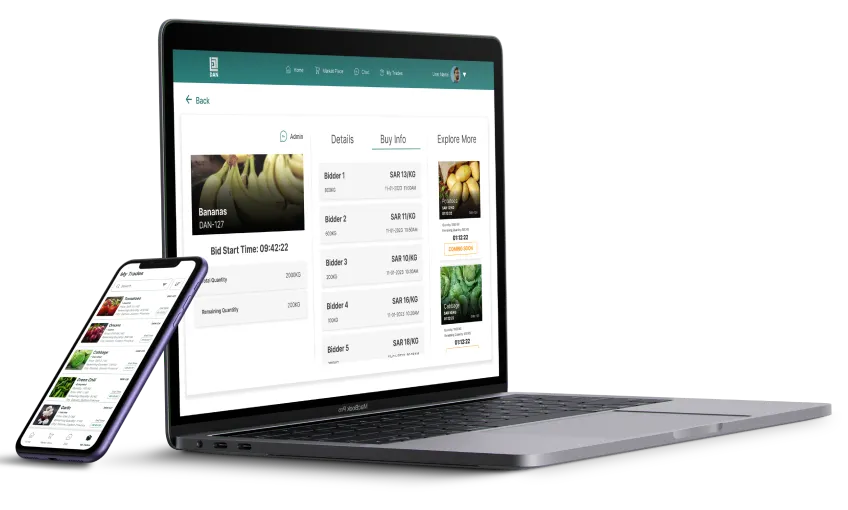
A cross-platform B2B auction marketplace on .NET and React.
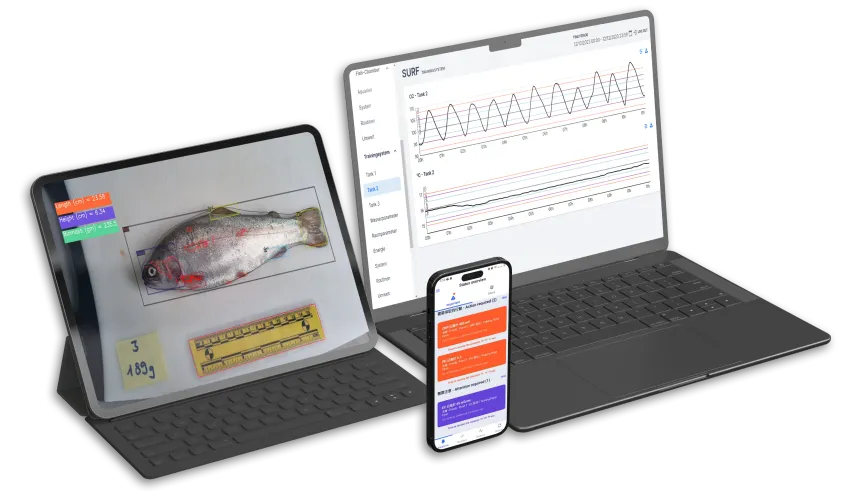
An AI-powered system that turns farm data into actionable insight.
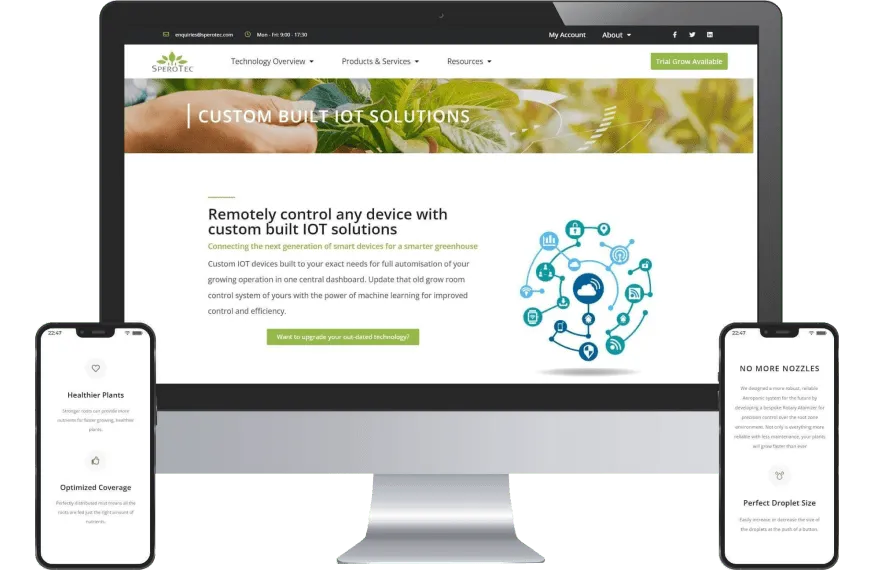
Full greenhouse automation with IoT and machine learning.
Thirteen case studies in the full portfolio.

Why us
Questions
Engineers on the team hold current Microsoft role-based certifications, mostly in Azure development, solution architecture, and Power Platform and Dynamics. A certification proves someone knows the platform properly. It does not prove they can design a system that lasts, which is why we point you at the portfolio as well. We will tell you who is certified and in what before you commit to anything.
Usually a mix of levels rather than one. A typical team is a delivery lead, one or two senior engineers and a mid-level engineer, with an architect involved while the design is being set. Experience runs from about three years at mid-level to fifteen or more for an architect. We name the actual people and their experience in the plan rather than calling them resources.
Either. Some clients embed our engineers into their own team and standups; others hand over an outcome and want us to run delivery. The engineering is the same, but the plan is written differently, so tell us which you want on the first call.
Our core engineering team is in Pakistan, with a United States point of contact and phone line for new projects and account matters, plus an Australian presence. That onshore-relationship, offshore-delivery model is how we keep senior engineering at a competitive rate, and we are direct about it rather than implying a local team.
Most of our work is exactly that: systems already in production that cannot stop while they change. We start by reading the code and running it, then give you an honest read on whether to extend, refactor or replace. We have recommended all three, including where that meant less work for us.
Usually within one to two weeks for a mid or senior engineer, longer for an architect or a full team. The written plan after the first call includes real availability rather than an assumed start date.
Talk to us
Tell us what you are building or maintaining, the stack it sits on, and the seniority you think you need. You get a call with engineers and a written plan afterwards, yours to keep either way.
Building mobile as well? See our .NET MAUI development page.
PanaceaLogics
Typically replies within an hour
Hi there! 👋 How can we help with your project?
Start chat on WhatsApp